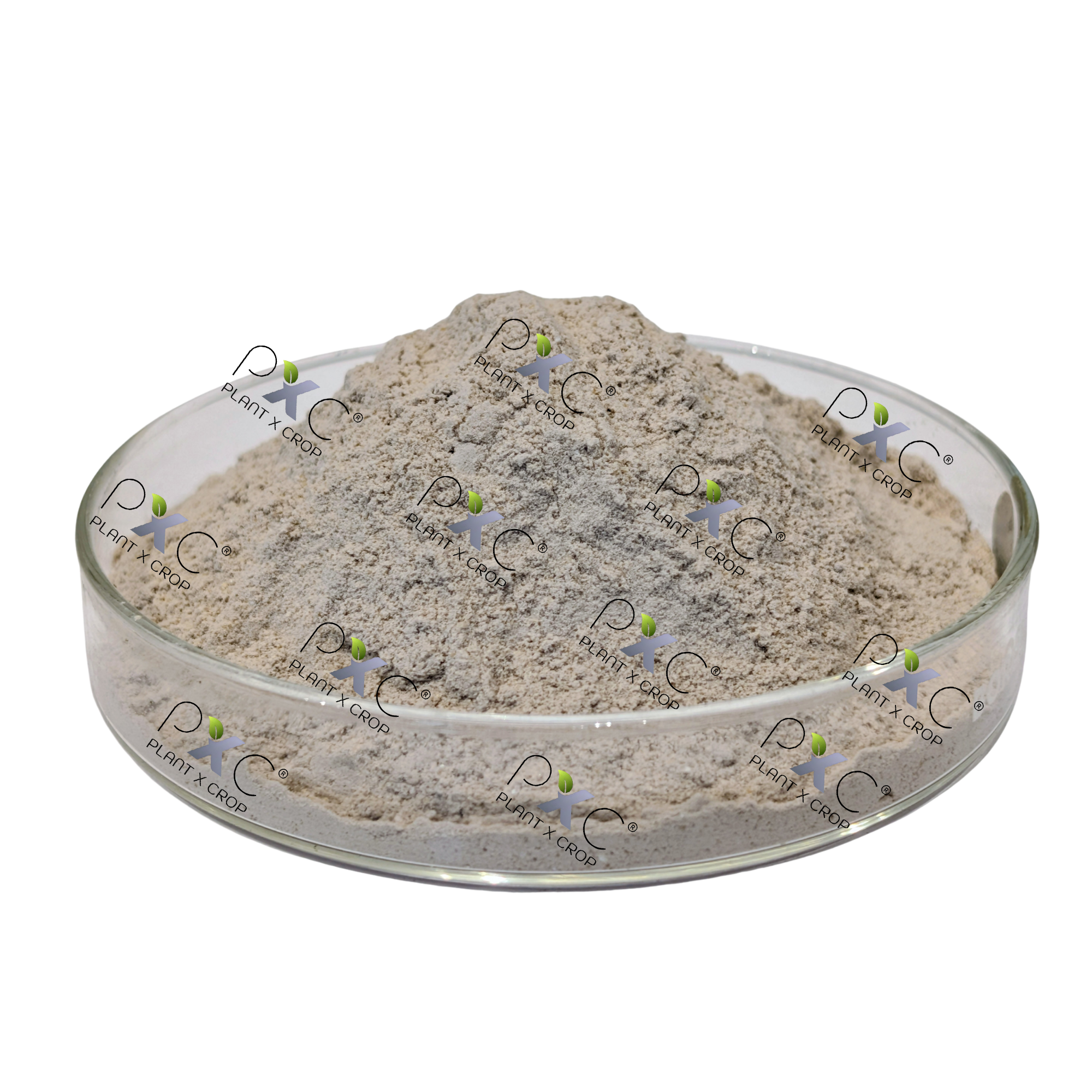
(Paecilomyces lilacinus)
Fungal bionematicide concentrate for suppression of plant parasitic nematodes
Biological control concentrate for root-knot and soil nematodes
Purpureocillium lilacinum (formerly Paecilomyces lilacinus) is a fungal bionematicide concentrate widely used for biological suppression of plant parasitic nematodes. The fungus parasitizes nematode eggs, juveniles, and adult females, helping reduce nematode populations and protect crop roots from damage.
The fungal strain has strong rhizosphere adaptability, broad pH tolerance, and effective egg parasitism activity, making it a reliable biological solution for sustainable nematode management.


Egg Parasitism
The fungal hyphae surround nematode eggs and penetrate the egg shell, preventing egg hatching and reducing nematode viability.
Enzymatic Degradation
Produces hydrolytic enzymes including:
These enzymes degrade nematode protective layers and facilitate fungal invasion.
Internal Colonization
The fungus invades nematode eggs and tissues, consumes nutrients, and suppresses nematode development and reproduction.
Secondary Metabolite Production
Produces nematicidal metabolites and toxic compounds that disrupt nematode physiology and contribute to nematode mortality.
Rhizosphere Establishment
Rapid root-zone colonization helps establish a biologically active soil environment unfavorable for nematode multiplication.
Broad Environmental Adaptability
The fungus tolerates a wide pH range and adapts well to different soil and substrate conditions.

| Parameter | Specification |
| Product Type | Fungal Bionematicide Concentrate |
| Active Ingredient | Purpureocillium lilacinum (Paecilomyces lilacinus) |
| Viable Count | Minimum 5 × 10⁹ CFU/g |
| Formulation Type | Wettable Powder (100% soluble) |
| Packaging | 1 kg / 25 kg bags |
| Shelf Life | Up to 12 months under proper storage |
| Storage Conditions | Store in cool, dry conditions away from sunlight and moisture |
| Usage After Opening | Recommended within 30 days after opening |
+91 8618161661