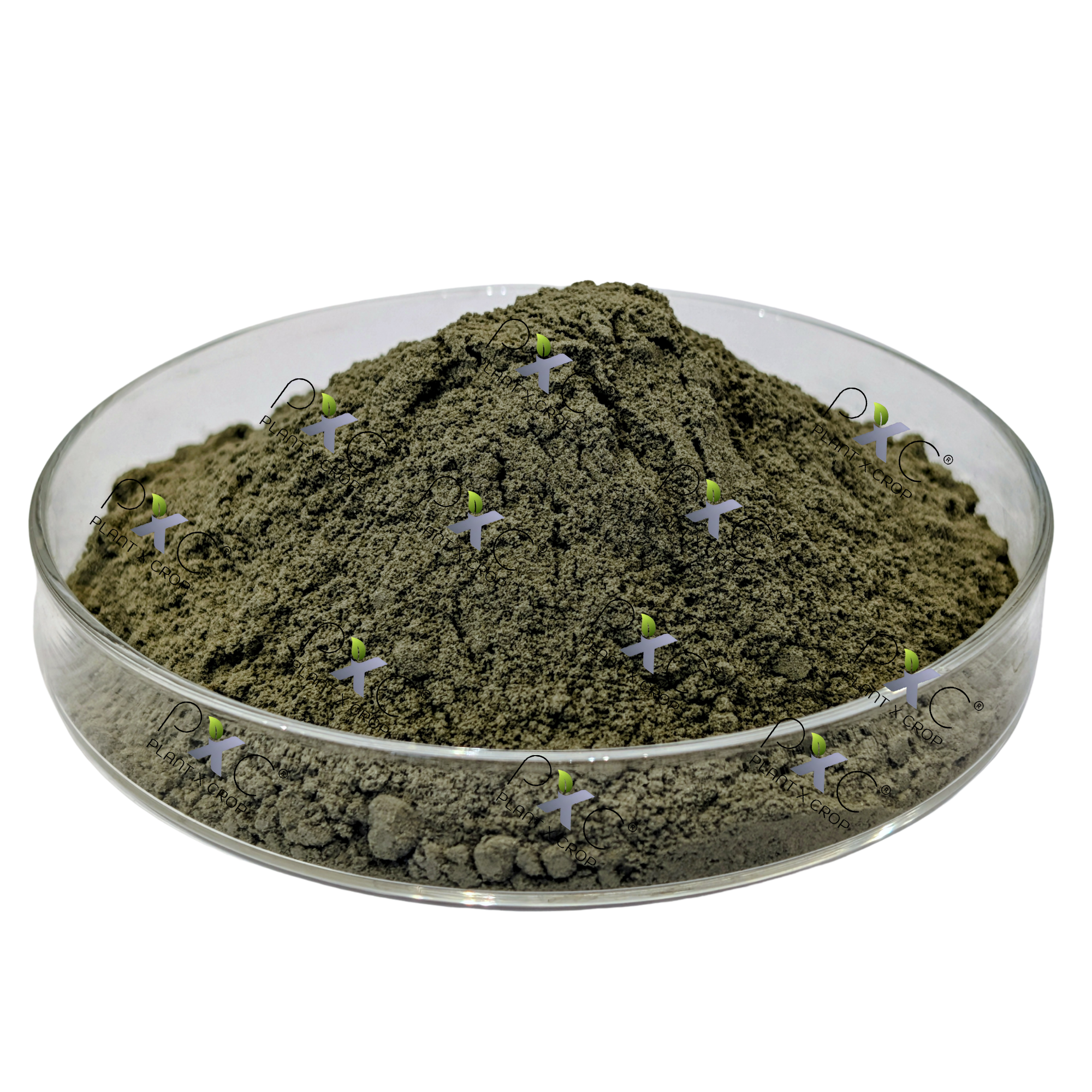
Entomopathogenic fungal biocontrol concentrate
Broad-spectrum biological insect control for soil and surface insect pests
Metarhizium anisopliae (also known as Metarhizium robertsii) is an entomopathogenic fungal concentrate widely used for biological management of agricultural insect pests. Commonly known as green muscardine fungus, it infects insects through direct contact and provides long-lasting biological suppression in soil and crop environments.
The fungus can persist in soil, organic matter, and infected insect remains, supporting secondary infection and extended pest control activity.
Spore Attachment & Germination
Fungal conidia attach to the insect cuticle and germinate upon contact with the host surface.
Cuticle Penetration
The fungus forms specialized penetration structures and produces hydrolytic enzymes that penetrate the insect exoskeleton and enter the body cavity.
Internal Colonization
Once inside the insect hemocoel, fungal blastospores multiply rapidly, consume nutrients, and spread throughout the insect body.
Metabolite Production
Produces insect-toxic metabolites that weaken the host immune system and contribute to insect mortality.
Secondary Infection
After insect death, fungal growth emerges externally and produces new spores that spread naturally and infect additional insect hosts.
Long-Term Persistence
The fungal spores survive in soil, organic debris, and infected insect residues, providing longer-lasting biological suppression.

| Parameter | Specification |
| Product Type | Entomopathogenic Fungal Concentrate |
| Active Ingredient | Metarhizium anisopliae |
| Viable Count | Minimum 5 × 10⁹ CFU/g |
| Formulation Type | Wettable Powder (100% soluble) |
| Packaging | 1 kg / 25 kg bags |
| Shelf Life | Up to 12 months under proper storage |
| Storage Conditions | Store in cool, dry conditions away from sunlight and moisture |
| Usage After Opening | Recommended within 30 days after opening |
+91 8618161661